

Plaque Wording:
Commodore Uriah Phillips Levy April 22, 1792 - March 22, 1862 Nissan 30, 5552 - Adar II 20, 5622 "I am an American, a sailor and a Jew"
Born in Philadelphia in 1792, Uriah Phillips Levy was a fifth generation American. According to family stories, he left for sea at ten years old, returnging to celebrate his bar mitzvah here at Congregation Mikveh Israel in 1805. He served with distinction in the U.S. Navy in the War of 1812 and became the first Jewish Navy Commodore - equivalent to the rank of Admiral today.
During his fifty-year career, Levy was brought before a court martial six times and killed a man in a duel-all incidents related to rampant anti-Semitism. He was dismissed twice from the Navy, but was reinstated by Presidents James Monroe and John Tyler. He went on to command the Mediterranean fleet and was appointed to head the Navy Court Martial Board by President Lincoln to head the Navy Court Martial Board during the Civil War. Levy played a key role in helping repeal the flogging of sailors, making the U.S. Navy the first in the world to abolish physical punishment.
Levy always admired Thomas Jefferson and the Bill of Rights he crafted, which safeguard liberties for all Americans. In 1834, he commissioned a statue of Jefferson, which sits in the U.S. Capitol today. In 1834, Levy purchased Monticello, Jefferson's home near Charlottesville, Virginia, which he repaired, restored and preserved for future generations.
The World War II destroyer escort USS Levy (DE-162)was named in his honor, as were the Uriah P. Levy Jewish Chapel at the Norfolk Naval base in Virginia, and the Commodore Uriah P. Levy Center and Jewish Chapel at the United States Naval Academy in Annapolis, Maryland. Levy is buried at Beth Olom Cemetery in Queens, New York.
Sculptor: Gregory Pototsky
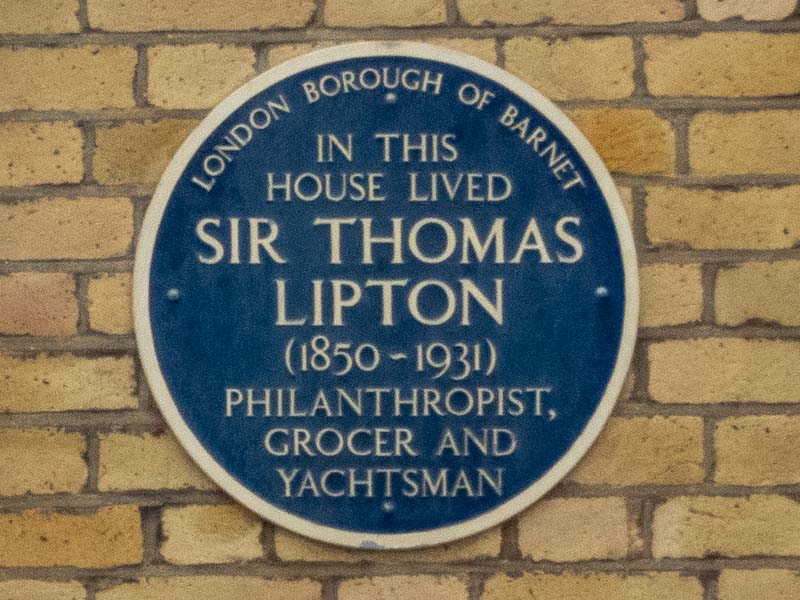

 - Royal Academy of Music.jpg "no sponsor (id: 7438)")
 - Royal Academy of Music_ls.jpg)


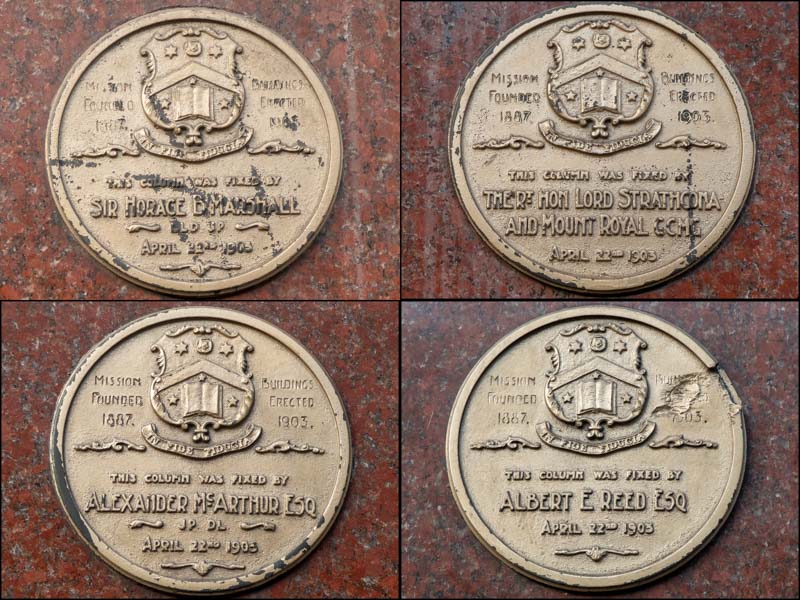
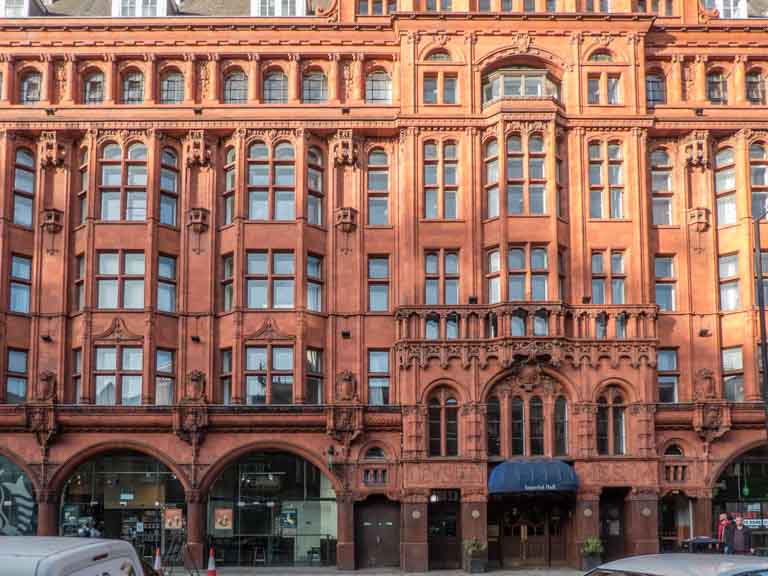
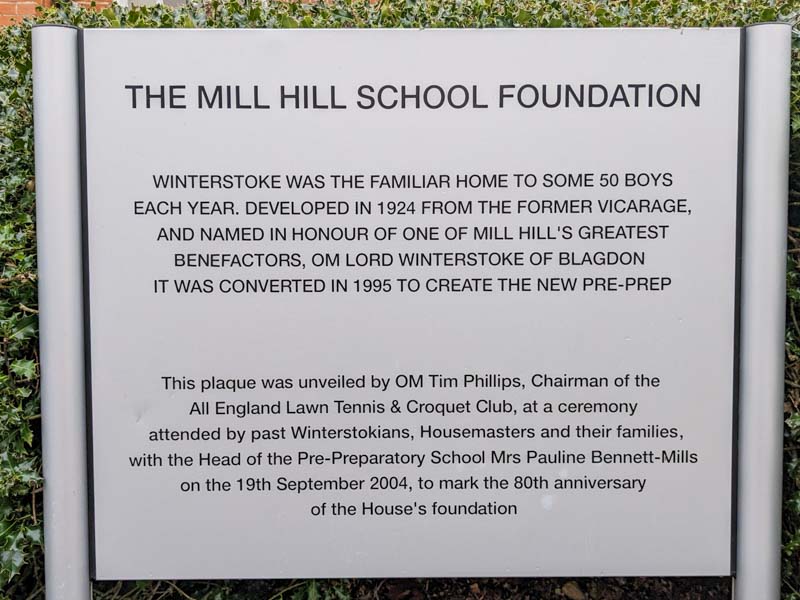

.jpg "Sponsor: Independent one-offs (id: 2479)")
_ls.jpg)
.jpg "Sponsor: Independent one-offs (id: 9026)")
_ls.jpg)
Plaque Wording:
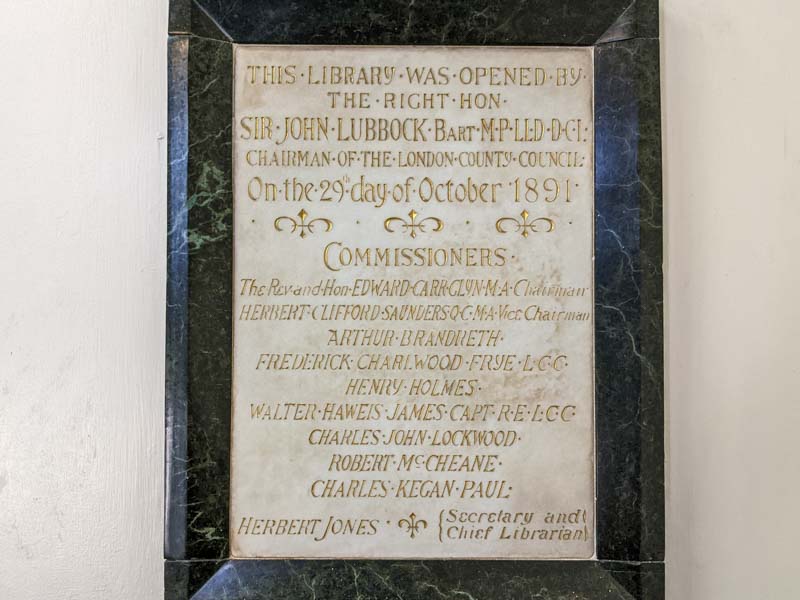
This stone was laid by Sir John Lubbock Bart M.P. May 25 A.D. 1889.
Commisioners: .....
Commisioners: .....
.jpg "Sponsor: Bromley (id: 3842)")
-2_ls.jpg)
.jpg "Sponsor: London County Council (id: 676)")
_ls.jpg)


Plaque Wording:
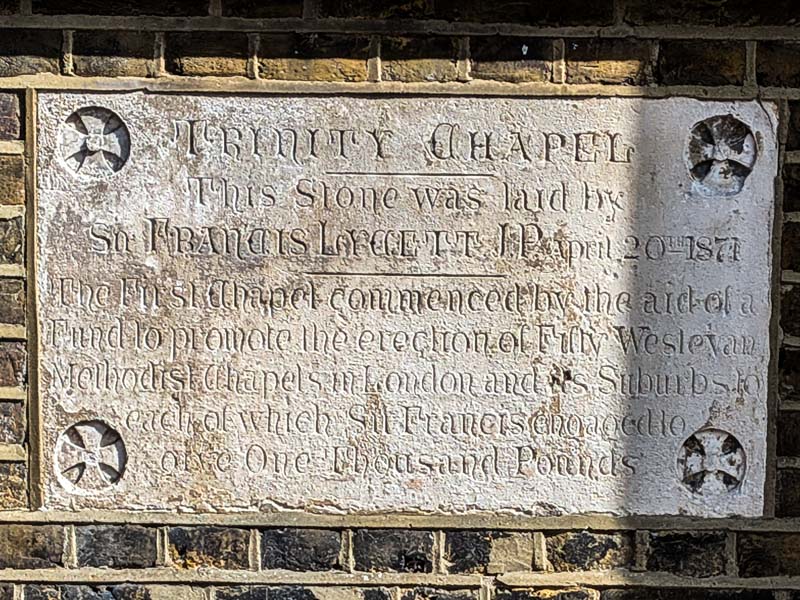
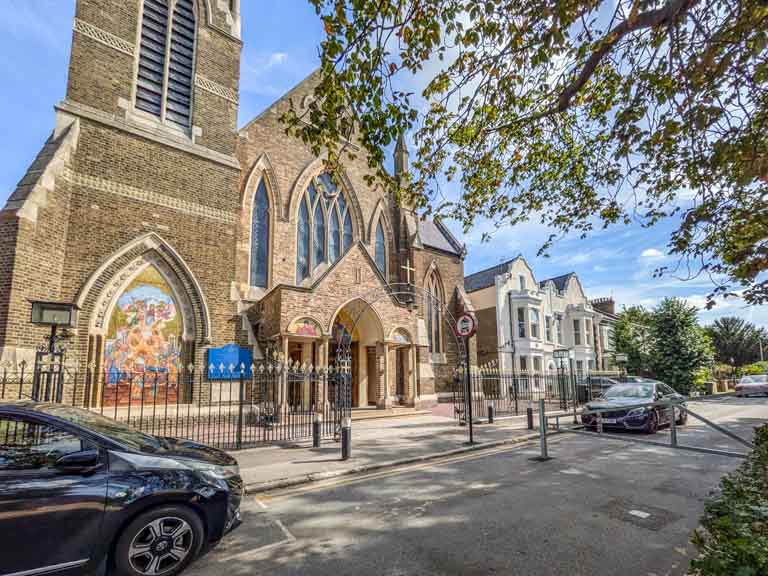
Trinity Chapel This stone was laid by Sir Francis Lyccett LP April 20 1871
The first Chapel commenced by the aid of a Fund to promote the erection of fifty Wesleyan Methodist Chapels in London and its suburbs to each of which Sir Francis engaged to give one thousand pounds.
The first Chapel commenced by the aid of a Fund to promote the erection of fifty Wesleyan Methodist Chapels in London and its suburbs to each of which Sir Francis engaged to give one thousand pounds.
Plaque Wording:
Trinity Chapel This Stone was laid by J.P. April 20th 1871.
The First Chapel commenced by the act of a Fund to promote the erection of Fifty Wesleyan Methodist Chapels in London and its Suburbs to each of which Sir Francis endowed One Thousand Pounds


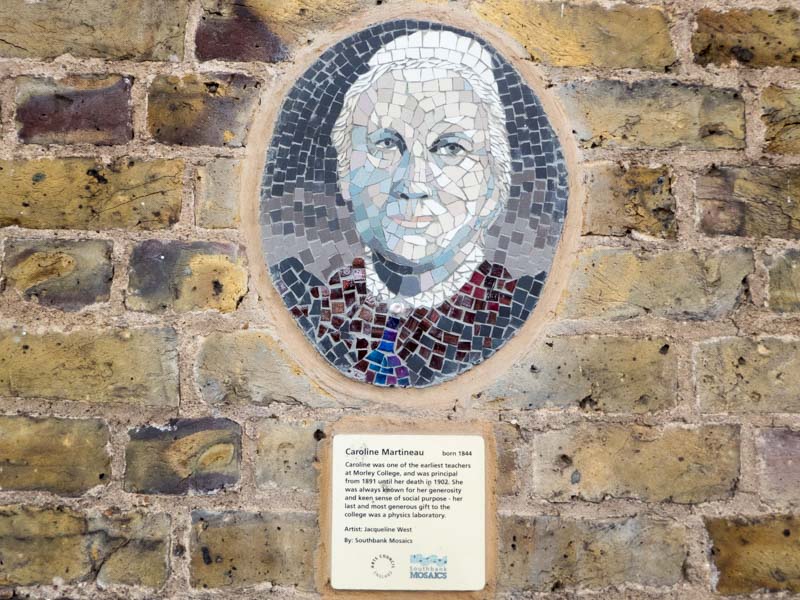

Plaque Wording:
Caroline Martineau born 1844. Caroline was one of the earliest teachers at Morley College, and was principal from 1891 until her death in 1902. She was always known for her generosity and keen sense of social purpose - her last and most generous gift to the college was a physics laboratory.
Artist: Jacqueline West
Artist: Jacqueline West




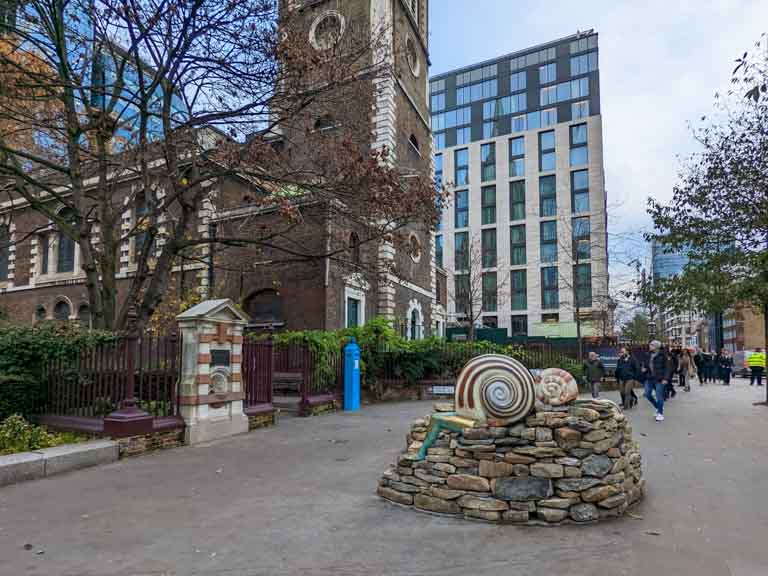


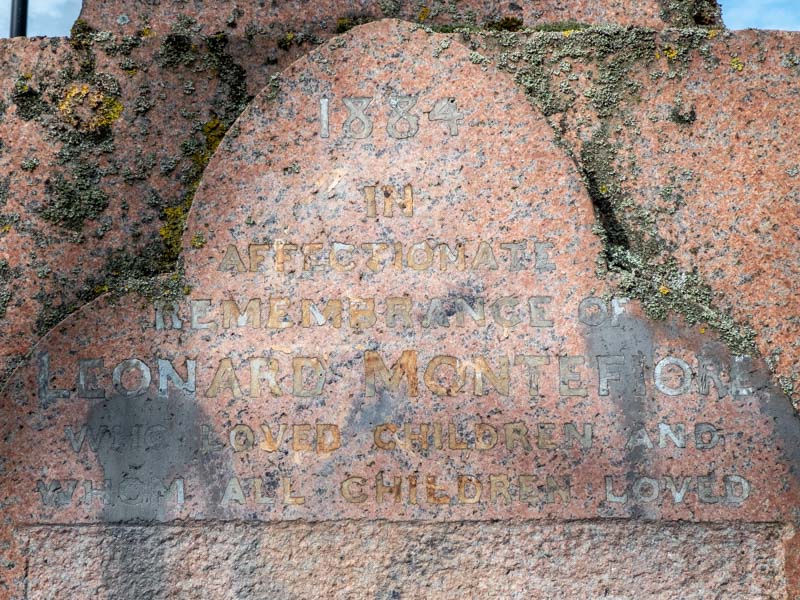
Plaque Wording:
1884.
In affectionate remembrance of Leonard Montefiore who loved children and whom all children loved
















Plaque Wording:
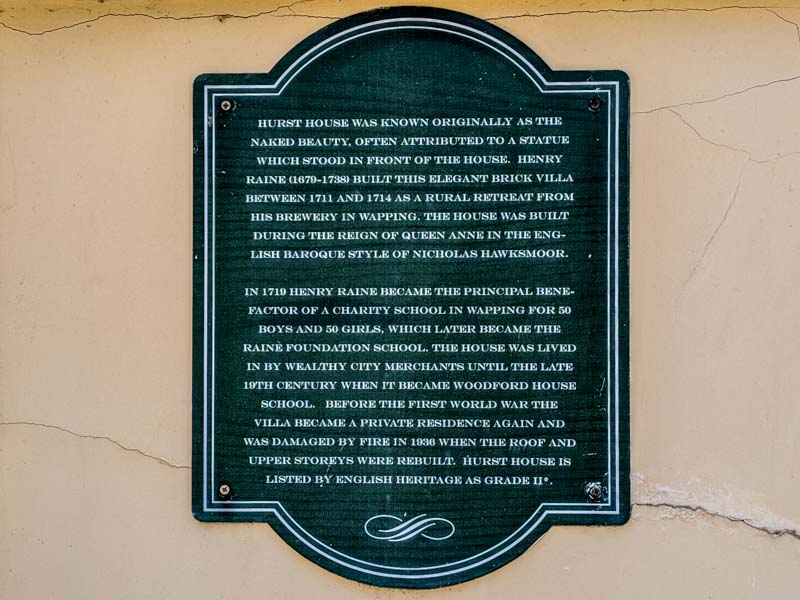
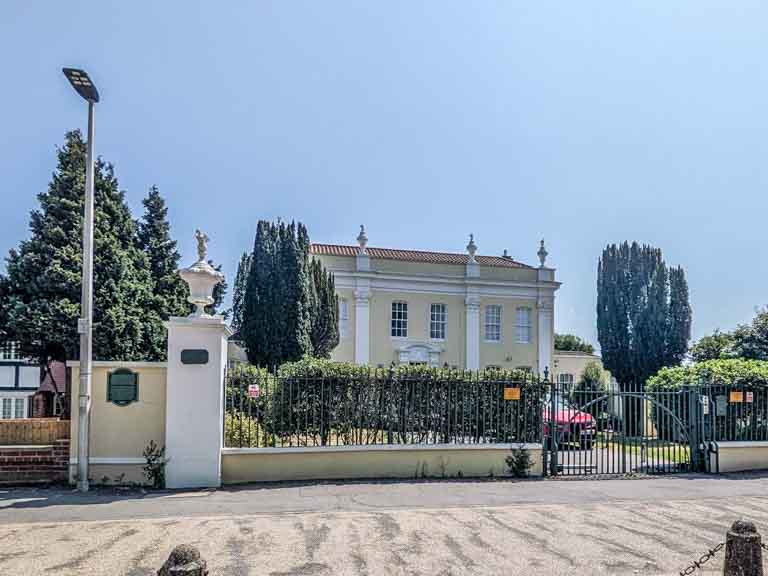
Hurst House was known originally as the Naked Beauty, often attributed to a statue which stood in front of the house. Henry Raine (1679 - 1738) built this elegant brick villa between 1711 and 1714 as a rural retreat from his brewery in Wapping. The house was built during the reign of Queen Anne in the English Baroque style of .
In 1719 Henry Raine became the principal benefactor of a charity school in Wapping for 50 boys and 50 girls, which later became the Raine Foundation School. The house was lived in by wealthy city merchants until the late 19th century when it became Woodford House School. Before the First Wold War the villa became a private residence again and was damaged by fire in 1936 when the roof and upper storeys were rebuilt. Hurst House is listed by English Heritage as Grade II*.
In 1719 Henry Raine became the principal benefactor of a charity school in Wapping for 50 boys and 50 girls, which later became the Raine Foundation School. The house was lived in by wealthy city merchants until the late 19th century when it became Woodford House School. Before the First Wold War the villa became a private residence again and was damaged by fire in 1936 when the roof and upper storeys were rebuilt. Hurst House is listed by English Heritage as Grade II*.
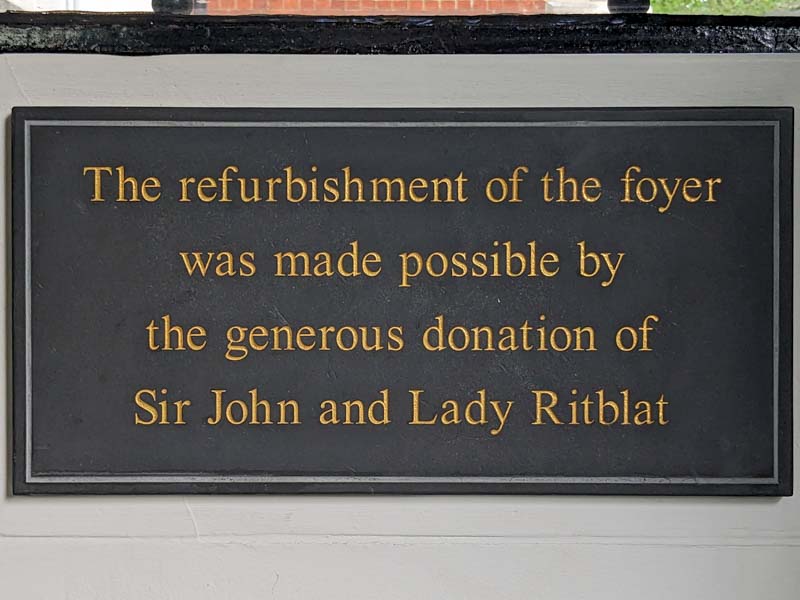

I have no information about Jill Ritblat. Please contact me if you do.